The Zoological Society of Milwaukee
Mission Statement
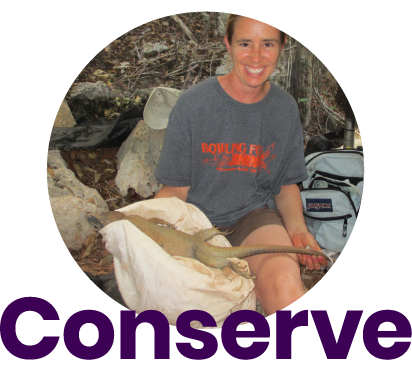
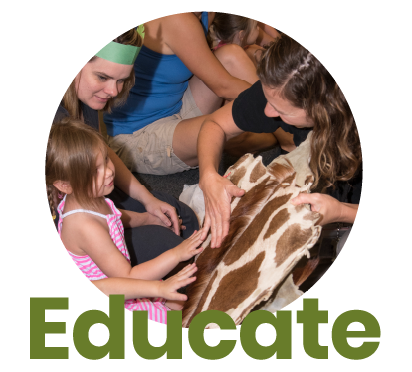
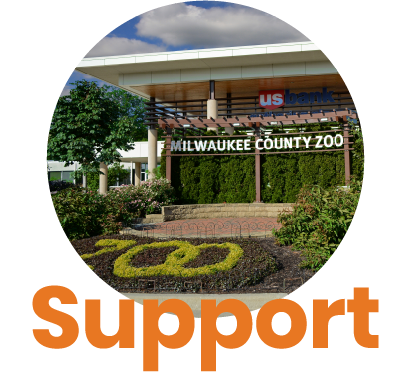
The mission of the Zoological Society is to take part in conserving wildlife and endangered species, to educate people about the importance of wildlife and the environment, and to support the Milwaukee County Zoo.
What is the Zoological Society of Milwaukee?
The Zoological Society of Milwaukee (ZSM) was established in 1910 as an informal group of community leaders who bought animals and raised funds for the Zoo. Today it is a private non-profit 501(c)3 organization governed by a board of 42 directors and 28 honorary directors. The ZSM has 61 employees who manage daily operations and programs. In addition to staff, there are 40+ interns, grantees, ad-hoc teachers and conservation field employees who help to fulfill the ZSM's mission. This year the ZSM has pledged to raise $6.37 million to support the Milwaukee County Zoo. That support includes providing public education through the ZSM’s Conservation Education Department and the ZSM’s Creative Department. The ZSM also supports Zoo conservation programs and projects.
Fulfilling the Mission
Supporting the Zoo
Helping the Milwaukee County Zoo maintain its reputation as Wisconsin's premier educational and cultural treasure is a big part of the Zoological Society's mission. Together, the Zoo and ZSM serve more than 1.3 million Zoo visitors a year. The ZSM and Zoo work together to attract both a strong family base as well as a diverse, non-traditional audience through free days, targeted school programs, evening concerts, special events and other efforts. Thanks to the vision of community leaders and the generosity of many friends, the ZSM has invested millions in capital improvements to the Zoo. Through two capital campaigns, ZSM support, combined with matching dollars from Milwaukee County, has helped build animal homes that resemble natural habitats, like the Stearns Family Apes of Africa Pavilion, Primates of the World, the Herb & Nada Mahler Family Aviary, the Florence Mila Borchert Big Cat Country and the Miller Brewing Company Giraffe Experience. Our final project, the U.S. Bank Gathering Place, will be completed in spring 2008.
"Zoo support" also means raising funds to cover the cost of maintaining and creating educational and innovative exhibits, designing signs and graphics at the Zoo, creating brochures and other promotional materials, and funding several of the Zoo's wildlife research and conservation projects.
Zoo Pride Volunteers
The ZSM is fortunate to have a dedicated group of volunteers who are essential to our success in fulfilling the mission. Zoo Pride volunteers lead tours, assist with education programs, staff our information booths at the Zoo, help with special events, and provide clerical and staff support.
Zoological Society Education Programs
Throughout the year, the Zoological Society brings exceptional animal, environmental and science-based educational opportunities to children, adults and families. These programs help people develop an understanding of wildlife, wild places, and some of the environmental challenges the Earth faces. Overall, these programs reached more than 186,177 individuals in our last fiscal year.
The ZSM's highly trained staff is in charge of all the education programs at the Zoo as well as many programs off site James Mills, director of conservation education, has a master’s of arts and teaching degree in museum education from George Washington University in Washington, D.C., and an undergraduate degree in anthropology and psychology from Marquette University. The rest of the full-time educators all have college degrees in fields ranging from biology and zoology to geography and education.
For school classes, the ZSM's Conservation Education Department provides special programs in its eight-classroom building on Zoo grounds; Zoo to You classes, often with live animals, that ZSM educators bring directly to individual school classrooms; and self-guided Zoo tour materials that enhance teacher curriculum. Along with sharpening students' sensory and observation skills, animal programs and related materials help fulfill science standards set by the state of Wisconsin.
Year-round classes and summer camps available to individual children and families offer hands-on learning activities focusing on the wonderful world of animals.
Conservation Programs
In the last quarter-century, the ZSM has made far-reaching contributions to conservation -- around the world and at the Zoo. Many of the animals that are in immediate danger of extinction -- apes, rhinos, tigers -- have a better chance for survival thanks to the ZSM.
As part of its efforts to save the bonobo (a rare ape), the ZSM has established a research station in the Democratic Republic of Congo and headquarters in Kinshasa, the capital. Dr. Gay Reinartz, the ZSM's conservation coordinator, heads the Bonobo Species Survival Plan for these great apes living at zoos, including the group of 20 at the Milwaukee County Zoo. In 2007, the ZSM published the book Bonobos: Encounters in Empathy. Written and donated to the ZSM by retired journalist Jo Sandin, this book introduces readers to the Zoo’s fascinating bonobo group. Readers also learn about the Zoological Society’s strides to save these endangered apes in the wild.
Birds Without Borders-Aves Sin Fronteras® (BWB-ASF), the ZSM's international conservation-research-education project, has published reports in based on field research in Belize and Wisconsin. The reports give practical tips to landowners on how to manage their land to benefit birds. BWB-ASF Belize staff members also have explored more than half of the 6,137-acre Runaway Creek Nature Preserve owned by the Foundation for Wildlife Conservation, Inc., the ZSM's partner. They documented the presence of rare bird, mammal and reptile species. BWB-ASF International coordinator Victoria Piaskowski and Belize national coordinator Mario Teul have made presentations at scientific conferences in both the U.S. and Central America.
The ZSM has forged relationships with other conservation groups, including the World Wildlife Fund, the Lewa Conservancy (a Kenya reserve for endangered black rhinos and elephants), the Dian Fossey Gorilla Fund International, and numerous bird groups. The ZSM has collaborated with regional conservation groups, the state of Wisconsin, and the Zoo to help reintroduce to Wisconsin such species as the trumpeter swan and the ornate box turtle. The ZSM supports Zoo conservation programs such as the long-term ecological study of the Humboldt penguin, both at the Zoo and in Chile. The ZSM conservation efforts in other countries include hiring and training local people, contributions to local economies, and grass-roots education campaigns to sensitize people to the importance of preserving native wildlife.
Funding the Mission
Zoological Society Membership
Members of the ZSM receive a number of benefits, including free admission to the Milwaukee County Zoo and more than 130 other zoos and aquariums nationwide. Members also receive a subscription to Alive, the ZSM's exclusive member magazine; Wild Things, the ZSM's event newsletter; discounts on education workshops and Zoo gift-shop purchases; and invitations to special members-only events and programs. We are fortunate to have a loyal group of members.
Serengeti Circle
The ZSM established this sponsor- and grantor-recognition program in 1994. The Serengeti Circle is an exclusive group of corporations and foundations that support the Zoo and ZSM through sponsoring special events, attractions, touring exhibits, or promotions, or by making a philanthropic gift to support a conservation or education program. This year alone, the ZSM plans to raise $609,743 and $191,814 (in-kind) in event/program sponsor fees, most of which directly support the Zoo. Top-ranking sponsors include Bank One, Pick'n Save, Miller Brewing Company, Northwestern Mutual Foundation and We Energies. The ZSM has a goal of raising $951,169 in grants this year, which will support its education and conservation programs. Besides all the benefits delivered as part of a sponsorship or grant, membership in the Serengeti Circle includes recognition at the Zoo and in Alive magazine, invitations to VIP premieres of new exhibits and attractions at the Zoo, and an invitation to the annual spring Serengeti Circle luncheon.
Platypus Society
The major donors of the Zoological Society are recognized through membership in the Platypus Society. This year about 400 individuals, businesses, and foundations that are Platypus members are expected to provide the ZSM with up to $500,000 in unrestricted operational support. Platypus Society members receive exclusive benefits, including VIP admission cards to the Zoo, invitations to previews of new exhibits, behind-the-scenes tours, an annual picnic and awards dinner, and a newsletter.
Animal Sponsorship Program
From $10 to $1,000, the animal sponsorship money helps maintain and enhance animal exhibits at the Milwaukee County Zoo. Children can sponsor animals through our Kids Conservation Club, through school classes, or as individuals. Adults who love animals sponsor their favorites. All our sponsors are invited to a behind-the-scenes event at the Zoo in August, and receive information about their sponsored animal.
Grants
The Zoological Society established its grants program in 1989, with a budget of $42,000. This year, we plan to raise $899,082, which supports education programs at the Zoo or off site and conservation programs.
Fund-raising events
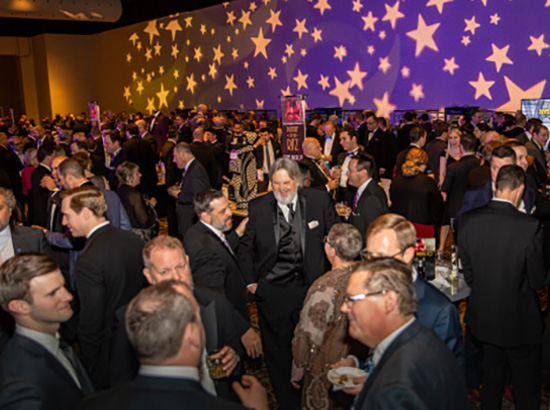
Each year the ZSM hosts events that raise money, entertain thousands of guests, and build community support--all at the same time. Zoo Ball is the Society's biggest fund-raising event. Held annually since 1984, the event raises funds to help support Zoo building projects, conservation projects and education programs. The Miller Brewing Company Birdies and Eagles Golf Tournament, the Northwestern Mutual Foundation Playhouse Raffle and Ride on the Wild Side family biking event also have become popular Society fund-raisers. Funds raised from these events go directly to Zoo exhibit renovations, education programs and conservation projects. This year the goal for special events is to raise $820,000.
Other
The Zoological Society draws upon the special generosity of its members, donors and special event-goers for important unrestricted annual operating support. Besides supporting the Zoological Society through annual dues, members also have a chance to contribute to the ZSM's Annual Appeal. Proceeds from the appeal typically go toward a specific project. We also look with increasing urgency to other areas of supplemental income: private and corporate foundation grants, endowments, and promotional partnerships with area businesses, memorial and honoree gifts, corporate sponsorships and in-kind donations. Combined, these vital sources of support will help the ZSM face the future challenges of strengthening our education outreach, conservation and Zoo-support programs.
Capital Campaign for the 21st Century
The Zoological Society and Milwaukee County have completed a joint New Zoo II Capital Campaign to improve the Zoo. The amount raised by the Zoological Society in cash and pledges, as of July 31, 2007, is $15,602,411—well more than a half-million beyond what the Zoological Society originally pledged to raise. Milwaukee County provided the other half. Projects already completed or to be completed in 2008 include:
- The Karen Peck Katz Conservation Education Center (fall 2004).
- The Animal Health Center (September 2003), which includes the Holz Family Learning Zone, the Gretchen and Andrew Dawes Academic/Administrative Wing and the Antonia Foundation Surgery Center.
- A new Japanese macaque monkey facility and remodeled island, a gift from Carl & Ruth Gosewehr and the Zoological Society Annual Appeal donors
- The Holz Family Impala Country remodeled impala and bongo exhibits;
- A Zoo restaurant called Lakeview Place next to Lake Evinrude.
- The Florence Mila Borchert Big Cat Country (July 2005)
- The Northwestern Mutual Family Farm (June 2005)
- The Miller Brewing Company Giraffe Experience (2006)
The remaining project is an entrance atrium called the U.S. Bank Gathering Place (2008).